A Simple Color Workflow for Small Studio Photo Printing
A simple supporting note for making better photo-printer decisions.
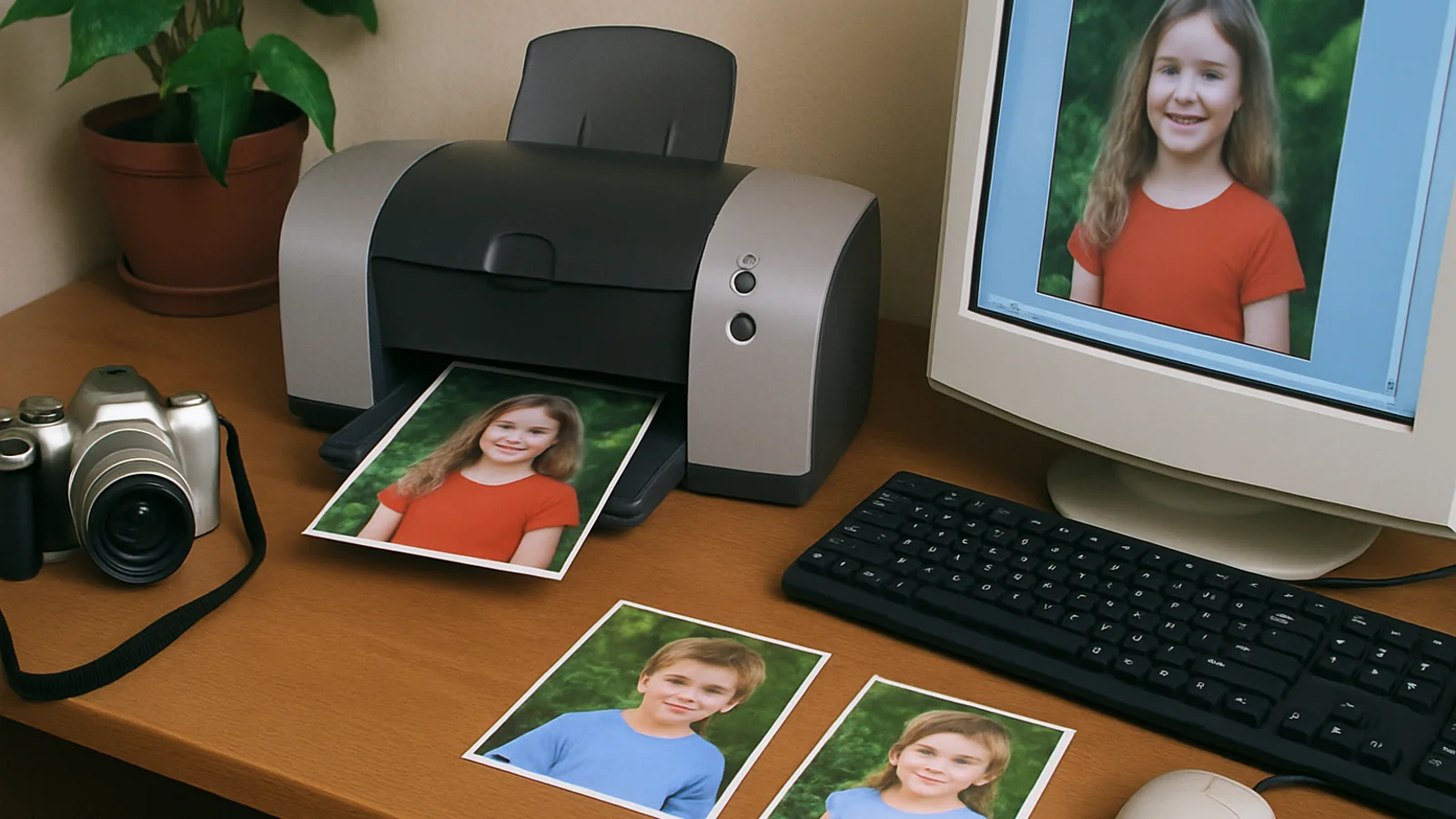
I like to judge a simple color workflow for small studio photo printing by the first print someone actually wants to keep: a family portrait, a portfolio proof, a craft project, or a framed image for a desk. That moment makes paper handling, ink habits, and color expectations feel more important than a long feature list.
1. Start with the prints you want to keep
For a simple color workflow for small studio photo printing, begin with the size, finish, and frequency of the prints. Occasional glossy snapshots need a different setup than school portfolios, small art sales, or constant family albums.
In a plausible home-studio routine, I would keep one open pack of the preferred paper, store it flat, label the ink set, and make a small note about drying time. Those quiet habits prevent many disappointing prints.
2. Match ink and paper to the job
For a simple color workflow for small studio photo printing, begin with the size, finish, and frequency of the prints. Occasional glossy snapshots need a different setup than school portfolios, small art sales, or constant family albums.
In a plausible home-studio routine, I would keep one open pack of the preferred paper, store it flat, label the ink set, and make a small note about drying time. Those quiet habits prevent many disappointing prints.
3. Think about print size honestly
For a simple color workflow for small studio photo printing, begin with the size, finish, and frequency of the prints. Occasional glossy snapshots need a different setup than school portfolios, small art sales, or constant family albums.
In a plausible home-studio routine, I would keep one open pack of the preferred paper, store it flat, label the ink set, and make a small note about drying time. Those quiet habits prevent many disappointing prints.
4. Plan the refill shelf before buying
For a simple color workflow for small studio photo printing, begin with the size, finish, and frequency of the prints. Occasional glossy snapshots need a different setup than school portfolios, small art sales, or constant family albums.
In a plausible home-studio routine, I would keep one open pack of the preferred paper, store it flat, label the ink set, and make a small note about drying time. Those quiet habits prevent many disappointing prints.
5. Give color a simple routine
For a simple color workflow for small studio photo printing, begin with the size, finish, and frequency of the prints. Occasional glossy snapshots need a different setup than school portfolios, small art sales, or constant family albums.
In a plausible home-studio routine, I would keep one open pack of the preferred paper, store it flat, label the ink set, and make a small note about drying time. Those quiet habits prevent many disappointing prints.
6. Avoid the common photo-printer traps
For a simple color workflow for small studio photo printing, begin with the size, finish, and frequency of the prints. Occasional glossy snapshots need a different setup than school portfolios, small art sales, or constant family albums.
In a plausible home-studio routine, I would keep one open pack of the preferred paper, store it flat, label the ink set, and make a small note about drying time. Those quiet habits prevent many disappointing prints.
7. Use a final desk checklist
For a simple color workflow for small studio photo printing, begin with the size, finish, and frequency of the prints. Occasional glossy snapshots need a different setup than school portfolios, small art sales, or constant family albums.
In a plausible home-studio routine, I would keep one open pack of the preferred paper, store it flat, label the ink set, and make a small note about drying time. Those quiet habits prevent many disappointing prints.
Bottom line
The right photo printer is the one that makes the kind of prints you will actually display, gift, archive, or sell without turning every session into supply management.
FAQ
What matters most in a photo printer?
Print quality, ink type, paper handling, print size, refill cost, and how often you will print all matter more than one headline spec.
Is dye or pigment ink better?
Dye can look vibrant for casual photos, while pigment is often valued for longevity and certain art workflows. The better choice depends on use.
Do I need a wide-format photo printer?
Only if you regularly want larger wall prints, portfolio pieces, or art reproductions. Many homes are better served by smaller formats.
What paper should I plan for?
Match paper finish and size to the printer and to the job: glossy gifts, matte albums, or heavier art-style sheets.
Are photo printers expensive to run?
They can be if ink and specialty paper are ignored. Compare refill availability and expected print volume before buying.
How should beginners avoid bad prints?
Use supported paper, install current drivers, let prints dry, and keep expectations realistic around screen-to-print color differences.
Main photo-printer guide
Use the photo printer quality guide as the hub while comparing paper, ink, and print-size needs.